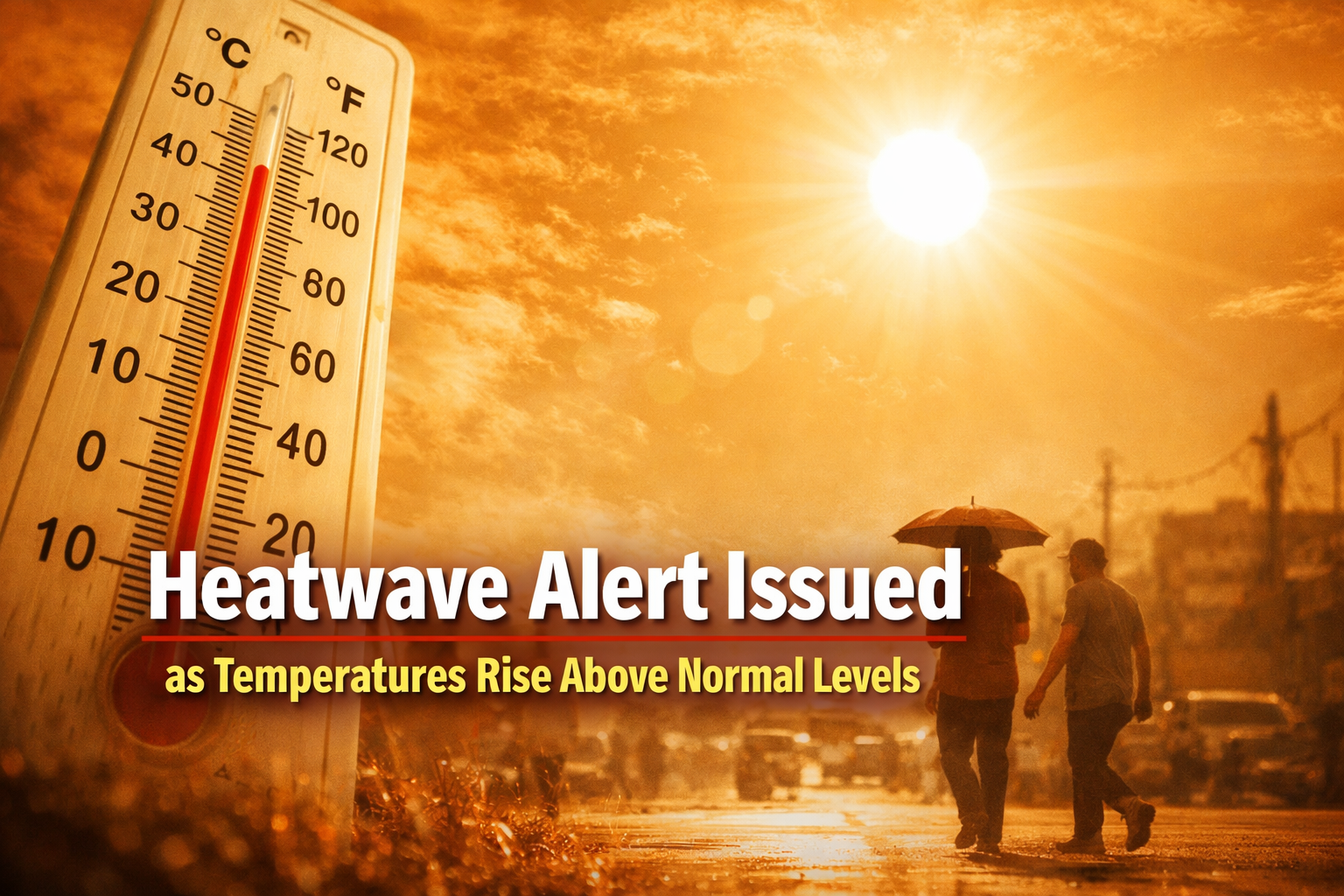
A heatwave alert has been issued as temperatures rise to dangerous levels, posing serious health
risks to people of all ages. Prolonged exposure to extreme heat can cause dehydration, heat exhaustion,
and heatstroke if proper precautions are not taken. Public awareness and early preparation are essential
to reduce the impact of heatwaves.
Heatwaves are becoming more frequent and intense due to changing climate patterns. Understanding the
risks and following safety guidelines can help individuals, families, and communities stay safe during
extreme weather conditions.
What Is a Heatwave?
A heatwave is a prolonged period of excessively hot weather, often combined with high humidity.
These conditions significantly increase the risk of heat-related illnesses, especially for vulnerable
groups such as children, elderly individuals, and those with existing health conditions.
Unlike regular summer heat, heatwaves place extra stress on the human body and infrastructure,
making it difficult to cool down naturally.
Why Heatwave Alerts Are Issued
Heatwave alerts are issued to warn the public about upcoming extreme temperatures.
These alerts allow people to take preventive measures before conditions become life-threatening.
Authorities issue alerts to reduce heat-related illnesses, hospital admissions, and fatalities by
encouraging early action and responsible behavior.
Health Risks Associated with Heatwaves
Dehydration
High temperatures cause excessive sweating, leading to fluid loss.
Without proper hydration, dehydration can occur quickly, affecting body functions and energy levels.
Heat Exhaustion
Heat exhaustion results from prolonged exposure to high heat and inadequate fluid intake.
Symptoms include heavy sweating, weakness, dizziness, nausea, and headache.
Heatstroke
Heatstroke is a medical emergency that occurs when the body can no longer regulate its temperature.
It can cause confusion, loss of consciousness, and even death if not treated immediately.
Who Is Most at Risk During a Heatwave
- Elderly individuals
- Children and infants
- People with chronic illnesses
- Outdoor workers
- Pregnant women
Heatwave Safety Tips for the Public
Stay Hydrated
Drink water regularly, even if you do not feel thirsty.
Avoid sugary drinks, caffeine, and alcohol, as they can increase dehydration.
Avoid Direct Sunlight
Limit outdoor activities during peak heat hours, usually between late morning and late afternoon.
If going outside is necessary, wear light-colored, loose-fitting clothing and use sun protection.
Keep Living Spaces Cool
Use fans, air conditioners, or natural ventilation to keep indoor spaces cool.
Close curtains during the day to block direct sunlight and reduce indoor heat.
Eat Light and Healthy Meals
Heavy meals increase body heat.
Choose light foods such as fruits, vegetables, yogurt, and salads during extreme heat.
Heatwave Precautions for Children
Children are more vulnerable to heat-related illnesses because their bodies heat up faster than adults.
Ensure children drink enough water, avoid outdoor play during peak heat, and wear breathable clothing.
Heatwave Safety for Elderly People
Older adults may not feel thirst or heat discomfort as strongly as younger people.
Regularly check on elderly family members, ensure they stay hydrated, and keep their surroundings cool.
Outdoor Work and Heat Safety
People working outdoors should take frequent breaks in shaded or cool areas.
Employers should adjust work schedules, provide drinking water, and educate workers about heat stress.
Signs of Heat-Related Illness
- Excessive sweating or no sweating
- Dizziness or fainting
- Rapid heartbeat
- Nausea or vomiting
- Confusion or disorientation
What to Do in Case of Heatstroke
If someone shows signs of heatstroke, seek medical help immediately.
Move the person to a cooler place, remove excess clothing, and try to lower body temperature using
cool water or cold compresses until help arrives.
Community Responsibility During Heatwaves
Communities play an important role in reducing heatwave impact.
Checking on neighbors, sharing information, and supporting vulnerable individuals can save lives.
Heatwave and Power Usage
Extreme heat increases electricity demand due to cooling appliances.
Using energy efficiently helps prevent power outages that can worsen heat-related risks.
Climate Change and Rising Heatwaves
Heatwaves are becoming more frequent due to long-term climate changes.
Raising awareness about environmental protection and sustainable practices can help reduce future
extreme weather events.
Preparing for Future Heatwaves
- Keep emergency contact numbers ready
- Store drinking water
- Plan indoor activities
- Stay informed through official alerts
Why Heatwave Awareness Matters
Awareness allows people to act early and protect themselves and others.
Simple precautions can significantly reduce health risks and prevent emergencies during extreme heat.
Conclusion
A heatwave alert is a serious warning that should not be ignored.
Extreme heat poses real dangers, but with proper awareness, preparation, and responsible behavior,
its impact can be minimized.
By staying hydrated, avoiding unnecessary heat exposure, caring for vulnerable individuals, and
following safety guidelines, communities can protect themselves during heatwaves.
Preparedness and cooperation are key to staying safe in extreme heat conditions.