Introduction
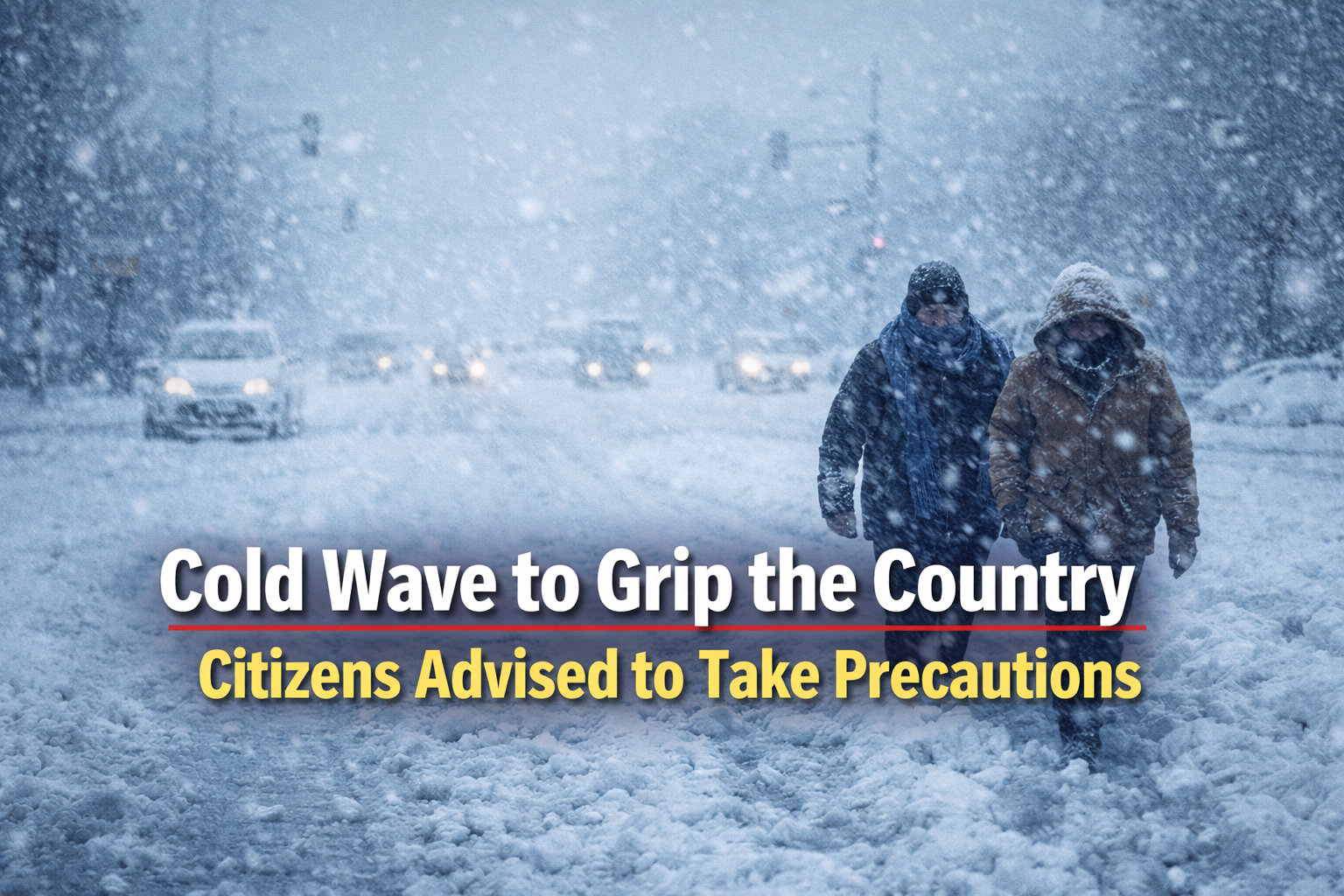
A cold wave is set to grip the country as temperatures are expected to fall significantly below normal levels, prompting authorities to advise citizens to take precautionary measures. According to the Meteorological Department, cold and dry air currents moving from higher latitudes are spreading across large parts of the region, leading to sharp drops in daytime and nighttime temperatures. Such conditions can pose serious risks to public health, agriculture, and infrastructure if adequate preparations are not made. Officials have emphasized the importance of awareness, preparedness, and community cooperation during this period of extreme cold.
Understanding the Cold Wave Phenomenon
A cold wave occurs when temperatures fall well below the seasonal average for an extended period. Meteorologists explain that this phenomenon is often caused by the movement of polar or continental air masses into lower latitudes. Clear skies and calm winds during winter nights further intensify the cooling effect, leading to severe cold, frost, and sometimes fog. In many regions, temperatures may drop to levels that are unusual for this time of year, increasing the likelihood of cold-related illnesses and disruptions.
Regions Expected to Be Most Affected
The cold wave is expected to affect several regions across the country, particularly northern and central areas. Plains may experience dense fog and freezing nights, while hilly and mountainous regions could see extremely low temperatures accompanied by icy conditions. Urban centers are also likely to feel the impact, especially during early morning and nighttime hours. Authorities have highlighted that areas with limited heating facilities and vulnerable populations may face greater challenges during the cold spell.
Impact on Public Health
Extreme cold poses significant health risks, particularly for children, the elderly, and individuals with chronic illnesses. Prolonged exposure to low temperatures can lead to hypothermia, frostbite, and respiratory problems. Cold air can aggravate conditions such as asthma, bronchitis, and heart disease. Health experts advise wearing warm clothing, covering exposed body parts, and avoiding prolonged outdoor exposure during peak cold hours. Seeking medical attention promptly if symptoms such as numbness, confusion, or severe shivering occur is strongly recommended.
Challenges to Daily Life and Routine Activities
The cold wave is likely to disrupt daily routines, affecting work, education, and transportation. Early morning fog and icy roads can reduce visibility and increase the risk of accidents. Schools and institutions in severely affected areas may adjust schedules or temporarily close to ensure safety. Outdoor workers may face difficulties due to prolonged exposure to cold conditions, potentially reducing productivity. In households, increased use of heating appliances may raise energy consumption, leading to higher utility costs.
Effects on Agriculture and Livestock
Agriculture is particularly sensitive to cold wave conditions. Frost can damage standing crops, vegetables, and fruit orchards, leading to reduced yields and financial losses for farmers. Livestock may also suffer from cold stress, affecting their health and productivity. Agricultural experts recommend protective measures such as covering crops, using smoke or irrigation methods to reduce frost impact, and ensuring adequate shelter and warmth for animals. Timely advisories and support from agricultural departments can help farmers mitigate losses.
Water Supply and Infrastructure Concerns
Prolonged cold conditions can affect water supply systems, especially in regions where temperatures drop below freezing. Water pipes may freeze or burst, leading to supply disruptions and damage to infrastructure. Authorities advise insulating exposed pipes and allowing a slow flow of water during extremely cold nights to prevent freezing. In addition, cold weather can affect road surfaces, bridges, and railway tracks, requiring increased monitoring and maintenance to ensure safety.
Preparedness Measures by Authorities
In response to the cold wave warning, government agencies and local administrations have initiated preparedness measures. These include issuing public advisories, setting up temporary shelters for homeless individuals, and ensuring the availability of blankets and warm clothing. Health departments are alerting hospitals and clinics to be prepared for an increase in cold-related illnesses. Municipal authorities are also coordinating with utility providers to manage energy demand and prevent service disruptions.
Safety Guidelines for Citizens
Authorities have issued several guidelines to help citizens stay safe during the cold wave. People are advised to dress in layers, use appropriate heating methods, and ensure proper ventilation to avoid carbon monoxide buildup from heaters. Avoiding outdoor activities during late night and early morning hours can reduce exposure to extreme cold. Special care should be taken for infants, elderly family members, and pets, who are more vulnerable to low temperatures. Community members are encouraged to check on neighbors who may need assistance.
Urban and Rural Challenges During Extreme Cold
Urban areas may face challenges such as increased energy demand, traffic disruptions due to fog, and strain on healthcare services. In rural regions, limited access to heating facilities and medical care can exacerbate the impact of extreme cold. Poor households are particularly vulnerable, highlighting the need for targeted support and relief measures. Experts emphasize that coordinated efforts between authorities, community organizations, and volunteers are essential to address these challenges effectively.
Role of Climate Variability
Climate experts note that while cold waves are a natural part of seasonal weather patterns, their intensity and variability may be influenced by broader climatic changes. Shifts in atmospheric circulation can lead to more extreme temperature fluctuations, including severe cold spells. Understanding these patterns is crucial for improving forecasting accuracy and developing long-term adaptation strategies. Investments in climate-resilient infrastructure and early warning systems can help reduce the impact of extreme weather events.
Importance of Timely Weather Information
Access to accurate and timely weather updates is critical during a cold wave. The Meteorological Department continues to monitor temperature trends and issue regular bulletins through official channels. Citizens are encouraged to stay informed and follow advisories issued by authorities. Relying on verified sources of information helps prevent misinformation and ensures appropriate responses to changing weather conditions.
Conclusion
The impending cold wave serves as a reminder of the importance of preparedness, awareness, and collective responsibility. While extreme cold can pose serious challenges to health, livelihoods, and infrastructure, its impact can be significantly reduced through timely precautions and coordinated efforts. By staying informed, following safety guidelines, and supporting vulnerable members of the community, citizens can help ensure safety and resilience during this period. Proactive measures taken today will play a crucial role in minimizing risks and navigating the cold wave effectively.