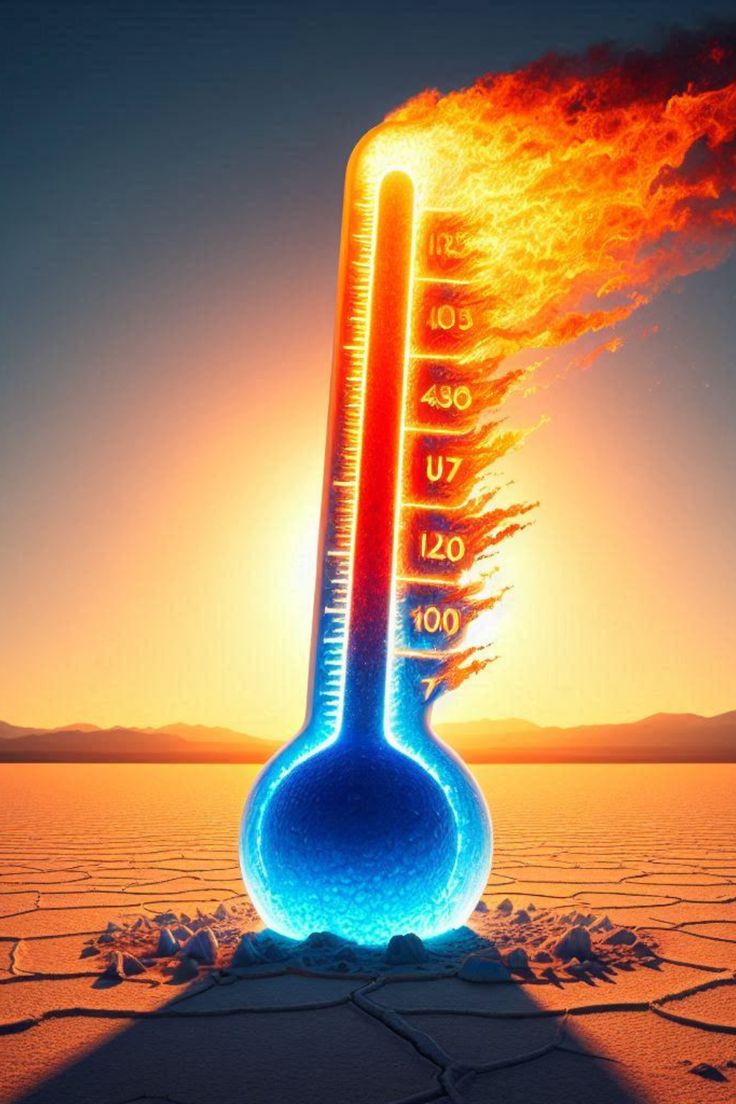
Weather plays a vital role in daily life, agriculture, travel, health, and the global economy. Around the world, changing atmospheric patterns continue to influence temperatures, rainfall, storms, and seasonal cycles. From intense winter conditions in colder regions to fluctuating temperatures in warmer climates, current weather trends highlight the importance of awareness, preparedness, and long-term planning.
In recent weeks, many regions have experienced noticeable shifts in weather behavior. Colder areas are seeing stronger winter systems, while tropical and subtropical zones continue to observe irregular rainfall and temperature variations. These patterns are not isolated events but part of a broader global weather system that connects oceans, landmasses, and the atmosphere.
One of the most prominent weather developments globally is the persistence of extreme seasonal contrasts. Winter-dominated regions are reporting extended cold spells, dense fog, frost, and occasional snowfall. These conditions affect transportation, visibility, energy consumption, and public health. Fog in particular has become a recurring concern in many plains and low-lying areas, disrupting road, rail, and air travel during early morning and late-night hours.
Cold weather has a direct impact on human health. Lower temperatures can increase the risk of respiratory infections, joint pain, and cardiovascular stress, especially among older adults and individuals with pre-existing conditions. Health experts consistently advise maintaining body warmth, ensuring adequate nutrition, and avoiding prolonged exposure to extreme cold. Communities are encouraged to check on vulnerable populations during severe weather episodes.
Meanwhile, warmer regions are experiencing a different set of challenges. Fluctuating temperatures during what is traditionally a mild season can confuse agricultural cycles and impact crop yields. Farmers rely heavily on predictable weather patterns for planting and harvesting, and sudden changes in temperature or rainfall can lead to reduced productivity or financial loss. Weather awareness and timely forecasts are increasingly important tools for agricultural planning.
Rainfall distribution has also shown noticeable irregularities. Some areas are receiving below-average rainfall, leading to dry soil conditions, while others experience short but intense rain events. These heavy downpours can overwhelm drainage systems, increase the risk of urban flooding, and damage infrastructure. Even regions not traditionally prone to flooding are now paying closer attention to drainage management and emergency preparedness.
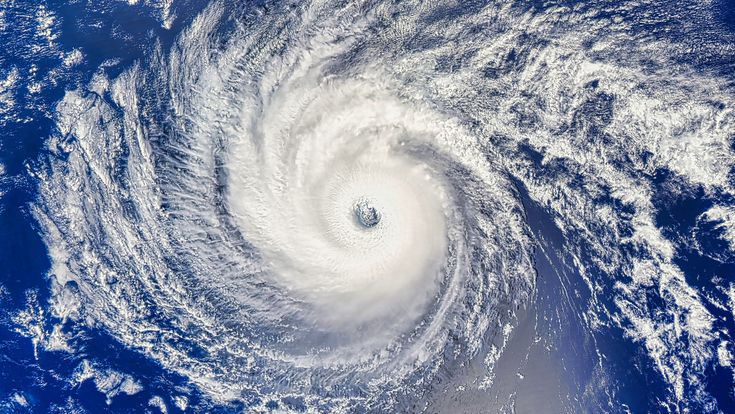
Storm systems remain a major focus of global weather monitoring. Strong winds, thunderstorms, and rapidly forming weather systems can develop with limited warning. Meteorological agencies around the world continuously track these systems using satellites, radar, and computer models. Early warnings allow authorities to issue advisories, helping people secure property and avoid unnecessary travel during hazardous conditions.
Coastal regions face additional weather-related risks. Changes in wind patterns and sea temperatures influence wave activity and coastal erosion. Fishing communities and maritime transport sectors depend on accurate marine forecasts to operate safely. Sudden changes in sea conditions can pose risks to small vessels and coastal settlements, making timely weather information essential.
Urban areas are particularly sensitive to weather extremes. High population density, traffic congestion, and infrastructure limitations can amplify the impact of adverse weather. Fog reduces visibility on busy roads, heavy rain leads to waterlogging, and cold weather increases energy demand. City planners and local governments are increasingly integrating weather resilience into urban development strategies.
Another important aspect of current weather discussions is the growing awareness of long-term climate trends. While daily weather changes are natural, the increasing frequency of unusual patterns has drawn attention to broader environmental shifts. Scientists analyze long-term data to understand how rising global temperatures influence seasonal weather, storm intensity, and rainfall behavior.
Public awareness and access to reliable weather information have improved significantly in recent years. Mobile apps, digital alerts, and televised forecasts allow people to stay informed in real time. This accessibility helps individuals make safer decisions, whether it involves adjusting travel plans, preparing homes for cold weather, or scheduling outdoor activities.
Education also plays a key role in weather preparedness. Understanding basic weather terms, warning signals, and forecast updates empowers communities to respond effectively. Simple actions such as reducing travel during dense fog, storing emergency supplies, and following official advisories can significantly reduce risk during adverse conditions.
Energy consumption patterns are closely linked to weather conditions. Cold spells increase demand for heating, while warmer-than-usual days can affect electricity usage patterns. Energy providers often rely on weather forecasts to manage supply and prevent outages. Consumers can also contribute by using energy efficiently during extreme weather periods.
Looking ahead, weather experts emphasize the importance of adaptability. While it is not possible to control weather systems, preparedness and awareness can reduce their impact. Governments, organizations, and individuals all share responsibility in responding to weather-related challenges with informed planning and timely action.
In conclusion, current global weather conditions reflect a dynamic and interconnected system influencing every aspect of life. From cold waves and fog to rainfall variability and storm activity, staying informed is more important than ever. Reliable weather information, combined with practical safety measures, allows societies to navigate changing conditions with resilience and confidence.