Introduction
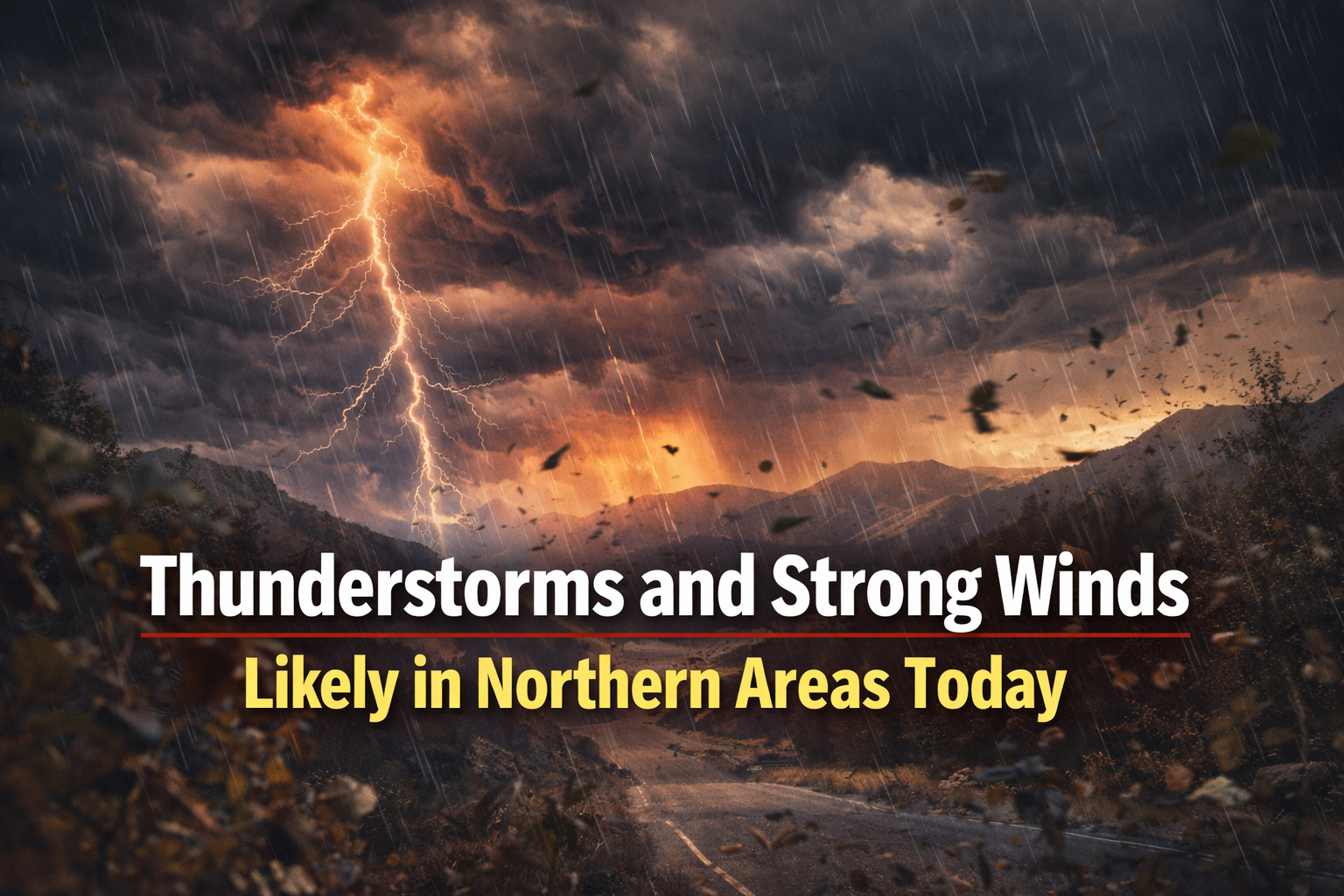
The Meteorological Department has issued a warning of heavy rainfall expected across several regions over the coming days, urging authorities and the public to remain alert and take precautionary measures. According to meteorologists, a strong weather system is developing due to changing atmospheric conditions, which may lead to intense downpours, thunderstorms, and localized flooding. Such weather events are not uncommon during seasonal transitions, but experts note that the projected intensity and widespread nature of this rainfall demand special attention. Communities living in low-lying areas, near rivers, or in regions prone to landslides are advised to prepare in advance to minimize potential damage and ensure safety.
Meteorological Overview of the Weather System
The current weather pattern is being influenced by a combination of moist air currents, low-pressure systems, and temperature variations across the region. Meteorologists explain that warm, moisture-laden winds are rising rapidly, leading to cloud formation and heavy precipitation. Satellite imagery and atmospheric models indicate that these conditions will persist for several days, increasing the likelihood of prolonged rainfall spells. Experts also warn that sudden bursts of intense rain could overwhelm drainage systems, especially in urban centers where infrastructure may already be under strain.
Regions Likely to Be Affected
According to the latest advisory, multiple regions are expected to experience moderate to heavy rainfall. Coastal areas may see continuous rain accompanied by strong winds, while inland regions could face intense but intermittent showers. Mountainous zones are at particular risk due to the possibility of landslides and soil erosion. River basins may witness rising water levels, increasing the chances of flash floods. Authorities have been advised to closely monitor these regions and activate emergency response plans if conditions worsen.
Potential Impact on Daily Life
Heavy rainfall can significantly disrupt daily routines, affecting transportation, education, and economic activities. Roads may become waterlogged, leading to traffic congestion and accidents. Public transport services could face delays or temporary suspensions. Schools and offices in severely affected areas may be closed as a precautionary measure. Farmers, while benefiting from rainfall for crops, may also face challenges such as waterlogging, crop damage, and delayed harvesting. Urban residents are often impacted by power outages and interruptions in water supply caused by flooding or damaged infrastructure.
Risk of Flooding and Landslides
One of the major concerns associated with heavy rainfall is the heightened risk of flooding and landslides. Prolonged rain can cause rivers to overflow, inundating nearby settlements and agricultural land. In hilly and mountainous areas, saturated soil may lose stability, resulting in landslides that can block roads, damage homes, and pose serious threats to human life. Emergency services have been advised to remain on high alert, particularly in known risk zones, to ensure rapid response in case of emergencies.
Preparedness Measures by Authorities
Government agencies and local administrations have begun implementing preparedness measures in response to the meteorological warning. These include clearing drainage channels, inspecting embankments, and ensuring that emergency shelters are ready for use. Disaster management teams are coordinating with health services, law enforcement, and municipal authorities to ensure a unified response. Public awareness campaigns are also being conducted to inform citizens about safety guidelines, evacuation procedures, and emergency contact numbers.
Guidelines for Public Safety
The Meteorological Department has issued several safety recommendations for the public. People are advised to avoid unnecessary travel during heavy rainfall, especially at night when visibility is low. Residents in flood-prone areas should keep essential items such as food, drinking water, medicines, and important documents ready. It is also recommended to stay away from rivers, streams, and unstable slopes. Motorists should exercise caution on wet roads and avoid driving through flooded areas, as water depth and current strength can be deceptive.
Impact on Agriculture and Rural Areas
For rural communities, heavy rainfall presents both opportunities and challenges. Adequate rain is crucial for crop growth, replenishing soil moisture, and supporting water resources. However, excessive rainfall can damage standing crops, wash away topsoil, and affect livestock. Farmers are encouraged to monitor weather updates closely and take protective measures such as improving field drainage and securing farm equipment. Agricultural extension services are also providing guidance on managing crops during extreme weather conditions.
Urban Infrastructure and Drainage Concerns
Urban areas often face significant challenges during periods of heavy rainfall due to limited drainage capacity and rapid surface runoff. Poorly maintained drainage systems can lead to water accumulation on roads and in residential neighborhoods. Experts emphasize the need for long-term infrastructure planning, including improved stormwater management systems and sustainable urban design. In the short term, municipal authorities are focusing on clearing blocked drains and deploying pumps in flood-prone zones to reduce waterlogging.
Role of Climate Variability
Meteorologists and climate scientists note that extreme weather events, including heavy rainfall, are becoming more frequent due to climate variability. Changes in global weather patterns can intensify rainfall events, making them more unpredictable and severe. While seasonal rains are a natural phenomenon, the increasing intensity highlights the importance of climate-resilient planning and adaptive strategies. Investing in early warning systems, resilient infrastructure, and community preparedness can help mitigate the long-term impact of such events.
Importance of Timely Weather Updates
Access to accurate and timely weather information plays a crucial role in minimizing the risks associated with heavy rainfall. The Meteorological Department continues to monitor the situation closely and provide regular updates through official channels. Citizens are encouraged to rely on verified sources for weather information and avoid spreading unconfirmed reports or rumors. Timely updates allow individuals and authorities to make informed decisions, reducing the likelihood of panic and ensuring coordinated action.
Conclusion
The warning of heavy rainfall across several regions serves as a reminder of the importance of preparedness and collective responsibility. While such weather events are part of natural climatic cycles, their impact can be significantly reduced through proactive measures, awareness, and cooperation between authorities and the public. By staying informed, following safety guidelines, and supporting community efforts, individuals can help protect lives and property. The coming days will require vigilance and adaptability, but with coordinated action, the challenges posed by heavy rainfall can be effectively managed.