Introduction
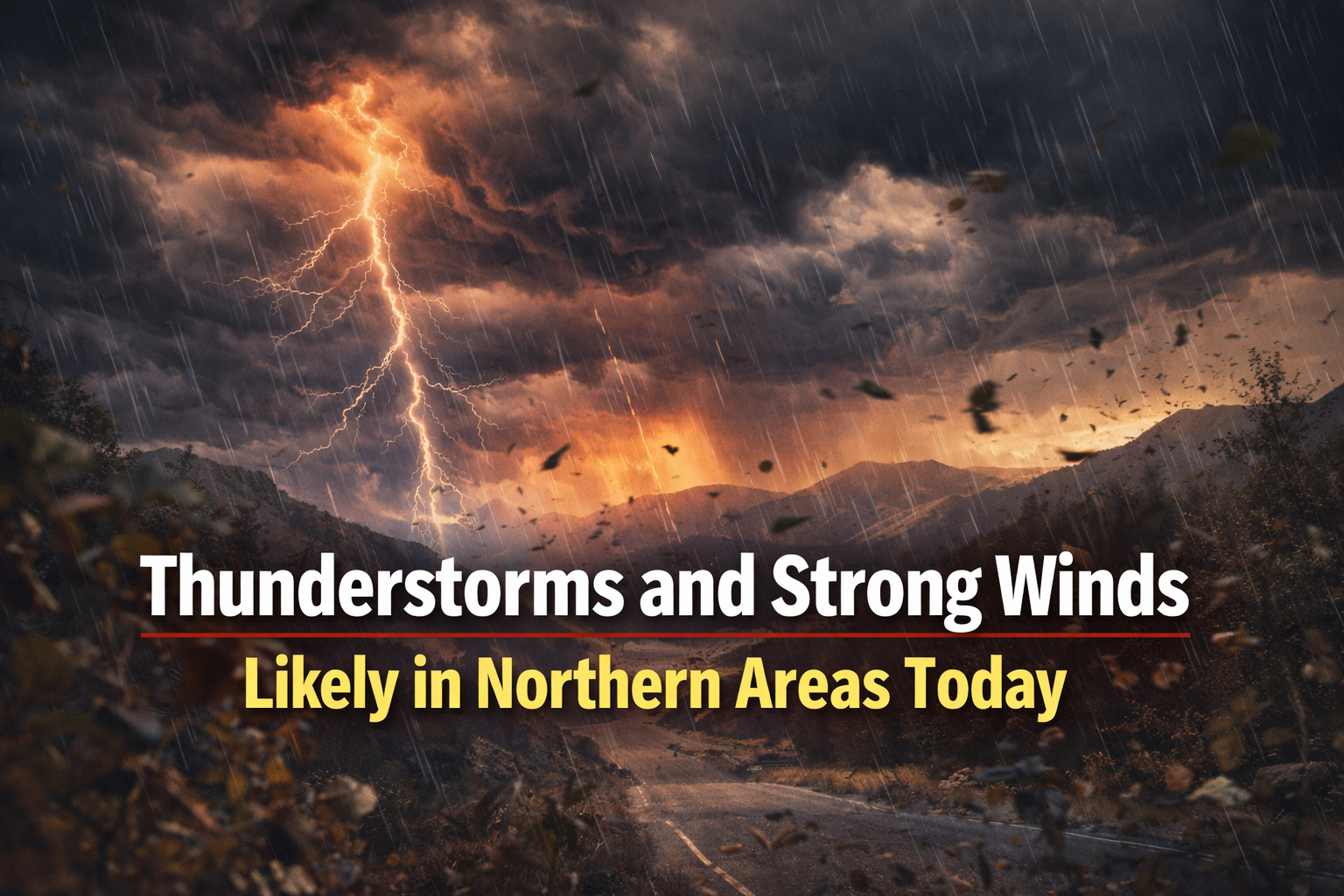
The Meteorological Department has forecast thunderstorms accompanied by strong winds in several northern areas today, urging residents to remain cautious and prepared. According to weather experts, changing atmospheric conditions and the interaction of moist air with a developing pressure system are creating an unstable environment. Such weather events can develop rapidly, bringing sudden rainfall, gusty winds, lightning, and localized damage. Authorities have advised people to stay updated with official weather bulletins and take necessary safety measures to minimize risks.
Current Weather Situation
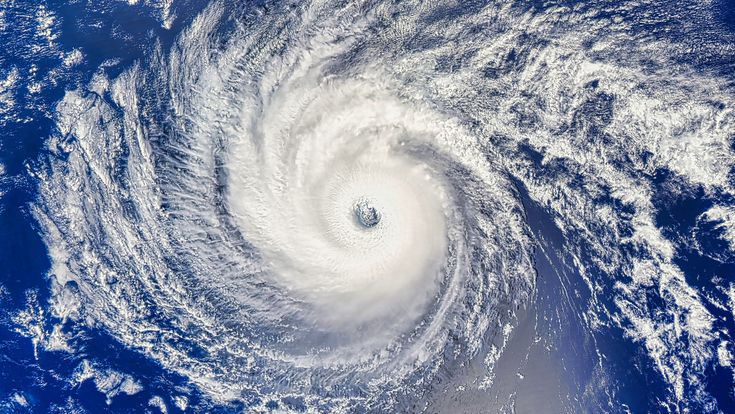
The present weather system affecting the northern regions is characterized by rising temperatures, increased humidity, and shifting wind patterns. Meteorologists explain that warm air near the surface is colliding with cooler air aloft, leading to the formation of cumulonimbus clouds that are capable of producing thunderstorms. These systems can intensify quickly, resulting in heavy rain over short periods and strong wind gusts. Satellite observations and radar data indicate that the conditions are favorable for storm development throughout the day.
Areas Expected to Be Affected
Northern plains, hilly regions, and areas close to mountain ranges are likely to experience the strongest impact of the thunderstorms. Urban centers may witness sudden downpours and strong winds that could disrupt traffic and daily activities. In higher altitudes, storms may be accompanied by hail in isolated locations. Authorities are closely monitoring weather developments in these regions, particularly areas that have a history of storm-related damage or flooding.
Potential Impact on Daily Life
Thunderstorms and strong winds can significantly affect routine activities. Sudden rain may cause water accumulation on roads, reducing visibility and increasing the risk of accidents. Strong winds can topple trees, damage temporary structures, and disrupt outdoor events. Power outages are also possible if wind gusts damage electricity lines or infrastructure. Residents are advised to secure loose objects around homes and workplaces to prevent damage or injury.
Risk of Lightning and Safety Concerns
Lightning is one of the most dangerous aspects of thunderstorms, posing serious risks to human life, livestock, and infrastructure. Open fields, tall trees, and metal objects can attract lightning strikes. Safety experts recommend staying indoors during thunderstorms and avoiding the use of electrical appliances. Those caught outdoors should seek shelter in a sturdy building or vehicle and avoid standing near isolated trees or open water bodies.
Impact on Transportation and Travel
Travel disruptions are common during thunderstorms, particularly when accompanied by strong winds. Flights may face delays or turbulence, while road travel can become hazardous due to slippery surfaces and reduced visibility. In mountainous areas, storms may trigger landslides or falling debris, blocking roads temporarily. Travelers are advised to check weather conditions before starting their journey and remain flexible with travel plans if conditions worsen.
Preparedness Measures by Authorities
Local administrations and disaster management authorities have taken precautionary steps in response to the weather forecast. Emergency response teams have been placed on standby, and municipal workers are monitoring drainage systems to prevent waterlogging. Utility providers are prepared to respond quickly to power disruptions caused by strong winds or lightning. Public advisories are being circulated to inform citizens about safety precautions and emergency contact information.
Guidelines for Public Safety
The Meteorological Department has issued safety guidelines to help the public cope with the expected weather conditions. People are advised to avoid unnecessary outdoor activities during stormy periods. Farmers and outdoor workers should plan their activities accordingly and seek shelter when storms approach. Motorists should reduce speed during rainfall and avoid driving through waterlogged roads. Staying informed through official weather updates is strongly recommended.
Effects on Agriculture and Rural Communities
Thunderstorms can have mixed effects on agriculture. While rainfall can benefit crops by replenishing soil moisture, strong winds and hail may damage standing crops and orchards. Rural communities may also face challenges such as disrupted electricity supply and damaged infrastructure. Agricultural experts advise farmers to take preventive measures, such as securing farm equipment and protecting vulnerable crops where possible.
Urban Infrastructure and Wind Damage
In urban areas, strong winds pose a risk to buildings, billboards, and construction sites. Poorly secured structures can become hazardous during gusty conditions. Municipal authorities have emphasized the importance of adhering to building safety standards and securing temporary installations. Urban flooding may also occur if heavy rainfall overwhelms drainage systems, highlighting the need for effective stormwater management.
Role of Seasonal Weather Patterns
Meteorologists note that thunderstorms in northern regions are often linked to seasonal transitions and changes in atmospheric circulation. During such periods, weather conditions can become unpredictable, with rapid shifts from clear skies to stormy weather. Understanding these patterns helps improve forecasting accuracy and preparedness. Continuous monitoring and research are essential to better anticipate severe weather events and reduce their impact.
Importance of Weather Awareness
Public awareness plays a crucial role in reducing the risks associated with thunderstorms and strong winds. Access to timely weather information allows individuals and communities to take preventive action. Authorities encourage citizens to rely on official forecasts and warnings rather than unverified sources. Community cooperation, such as helping vulnerable neighbors and sharing accurate information, can enhance overall safety during adverse weather conditions.
Conclusion
The forecast of thunderstorms and strong winds in northern areas today highlights the need for vigilance and preparedness. While such weather events are part of natural climatic processes, their sudden intensity can pose challenges to safety, infrastructure, and daily life. By staying informed, following safety guidelines, and cooperating with authorities, individuals can reduce risks and protect themselves and their communities. Proactive measures and awareness will be key to navigating the day’s weather conditions safely and effectively.